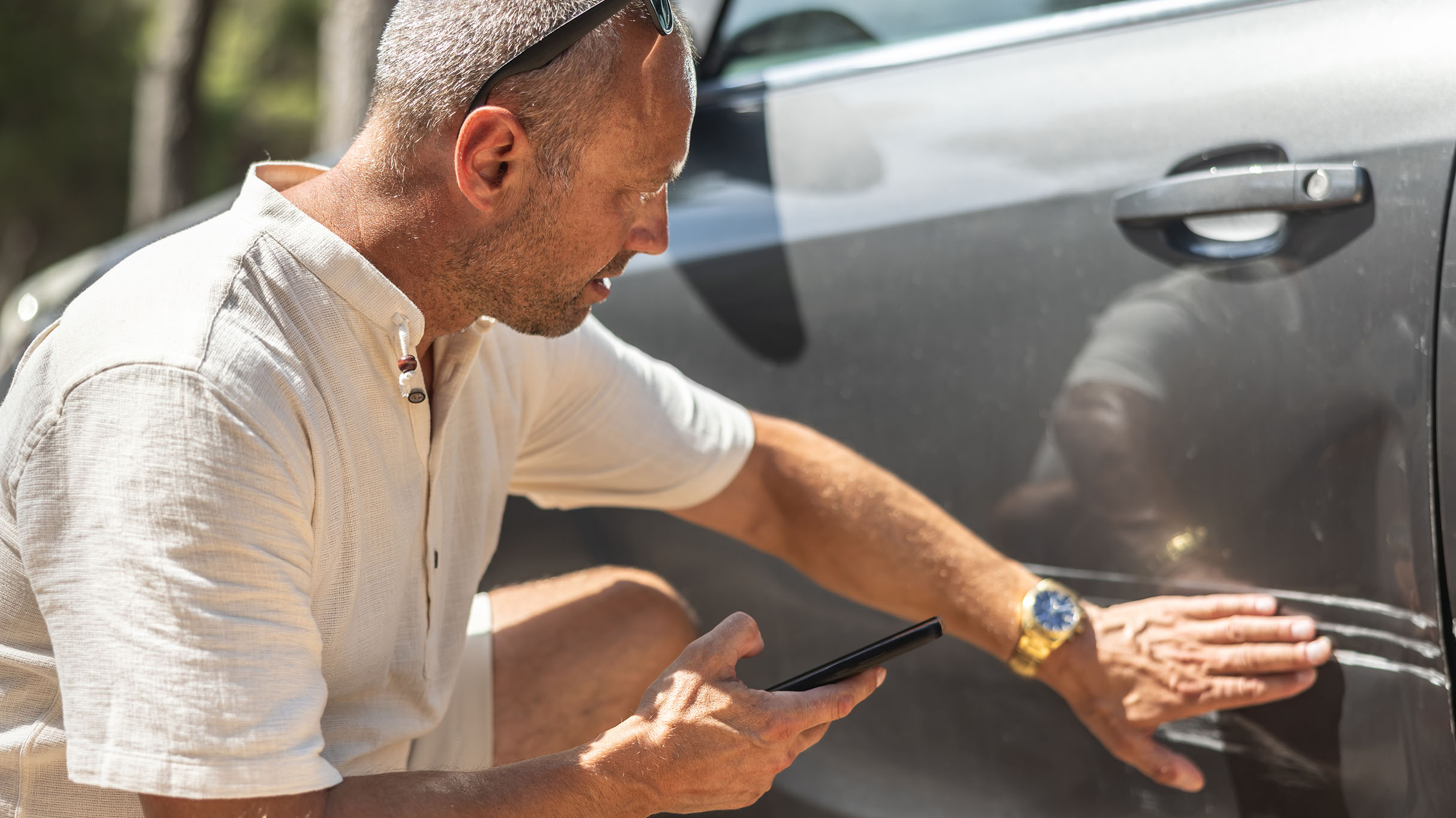
Buying a car is a big step. It’s a significant purchase that affects your budget and lifestyle. Whether you're eyeing a new car, a used car, or simply planning for your next vehicle, informing yourself can make all the difference when it comes to saving money and avoiding surprises. From what to expect with loan terms to insurance and hidden fees, this practical guide covers the essential things to know before buying a car in Canada.
Key takeaways
- Clarifying your needs, setting a clear budget, and exploring financing options before stepping into a car dealership can help avoid overspending.
- Research online, compare models, and factor in long-term costs like maintenance, insurance, and loan interest rates.
- Take your time with the car-buying process, from the test drive to reviewing add-ons, and speak with an insurance representative to make sure your new car is adequately protected.
Start with what you need in a car
Before walking into a car dealership, define what you want and need in a vehicle. Your priorities should go beyond brand and style. Think about how the car fits into your day-to-day routine. Do you commute long distances? Drive kids to school? Face icy roads in the winter?
Size, fuel economy, and safety features all matter. Reliability and warranty coverage should also be top of mind if you plan to keep the car for years. Listing your priorities now will help you focus later.
Do your research before visiting a dealership
Doing your homework makes it easier to spot a good deal. Read reviews, compare models, and use tools like Canadian Black Book to understand fair price ranges. If you’re considering a used car, a CARFAX Canada report will show any past accidents or open recalls.
Pay attention to:
- Long-term reliability ratings
- Owner satisfaction
- Maintenance costs
- Fuel efficiency
- Estimated resale value
Doing your research ensures you go into a dealership prepared. It makes the difference between hoping for the best price and knowing what it should be.
Decide if the best car for you is new or used
Deciding between a new or used car is one of the bigger choices in the buying process. A new vehicle comes with peace of mind, the latest features, and a full warranty. On the flip side, the purchase price and insurance costs are often higher.
A used car can offer great value, especially if it’s in good shape and just a few years old. However, it may need more frequent maintenance and won’t have the same warranty coverage. Choosing a certified pre-owned vehicle is a common middle ground.
Plan your budget and know the total cost
Looking at the monthly payment alone doesn’t give you the whole picture. Make sure you budget for the full cost of owning the car.
Your budget could include:
- Down payment
- Car loan or auto loan repayments
- Insurance
- Fuel and routine maintenance
- Registration fees and taxes
Take the time to run the numbers. It’s not just about whether you can afford the car today. It’s about keeping it running for years to come.
Understand auto loan options
If you’re not paying in full, you’ll likely be financing through an auto loan. Know the basics before sitting down in the finance office. Your credit report and score can affect your interest rate and loan terms.
Shorter loans can come with lower interest rates but higher monthly payments. Longer loans reduce payments but increase the total cost over time.
You can get a loan from a car dealer, bank, or credit union. Compare your options to get a better rate and avoid overpaying.
Factor in your old car
Trading in your car can help lower your down payment. Before accepting a trade-in offer from the dealer, look up its value to make sure they’re offering you a fair price. You may get more by selling it privately, but it involves more effort and time.
Presenting a clean, well-maintained vehicle helps. Fixing minor issues and gathering service records can also make a difference.
Take your time with a test drive and inspection
As you move through the car-buying process, one of the key things is always to take a test drive. A specific car might check all the boxes on paper, but only a real-world drive can tell you if it’s truly the right fit. Pay attention to how the vehicle accelerates, brakes, and parks. Think about how this new ride will support your daily routine, especially through snowy commutes or icy roads common in many parts of Canada.
If you’re considering a used car, a thorough inspection by an independent mechanic is just as important. This extra step can uncover open recalls, hidden damage, or worn parts that could lead to unexpected maintenance bills. Even a car that appears to be in good shape can have hidden issues beneath the hood.
In the long run, a modest upfront cost for an inspection can help you save money and headaches. Whether you're buying a new car or a used car, this is a financially prudent way to avoid a bad deal and feel confident that you’ve made the best car choice for your needs.
Get comfortable negotiating
Negotiating is a regular part of buying a vehicle at a car dealership, and it’s one of the most effective ways to save money. Many buyers focus on the monthly payment, but the real value comes from understanding the total cost, including the purchase price, interest rate, loan terms, and potential add-ons.
Before you negotiate, research online so you’re ready to talk numbers. Know the fair price for the vehicle, especially if you’re working with a car dealer on a used car. Compare financing options from the dealer, credit union, or another lender. A better rate on your auto loan can mean significant savings over time. If your credit report isn’t where you want it to be, you may face higher interest rates, so it’s worth checking in advance.
Don’t forget to factor in the trade-in value of your old car. You can also negotiate that amount, which can help with your down payment. And when you're in the finance office, you’ll likely be offered extras like gap insurance, extended warranty options, or protection packages. Some of these may be worth considering, but others might not be necessary for your situation.
The key is to negotiate respectfully and confidently. Be prepared to walk away if the deal doesn’t feel right. When you know your budget, understand your financing and take the time to compare offers, you’re more likely to walk away with something that fits your needs without overpaying.
Evaluate add-ons in the finance office
In the finance office, the salesperson may offer a variety of add-ons. Some buyers benefit from options like gap insurance or an extended warranty, but not every product may meet your needs.
Take your time reviewing options. You don’t need to decide on the spot. Ask questions and focus on what offers long-term value or protection.
Know how your car affects insurance
Your specific car can influence your insurance rate. Factors like safety ratings, theft likelihood, repair costs, and driving history play a role. Before buying, talk to your insurance representative to understand how the model you’re considering affects your premium. Insurance representatives can also help answer questions about coverage such as: Does insurance cover windshield cracks?
They can also help you decide whether extras like Waiver of Depreciation or Loss of Use suit you.
Final paperwork and planning ahead
Once you make a deal, make sure all documents are clear and accurate. You should receive the bill of sale, loan or lease agreements, registration papers, and proof of insurance. Take the time to double-check everything, and don't feel rushed.
From here, it's about setting up your new ride for the long haul. Follow the service schedule, budget for future maintenance, and keep good records. These steps protect your investment and help you enjoy your car with confidence.
Drive away informed, not overwhelmed
There are many things to know before buying a car, but the most valuable thing is preparation. When you understand your needs, your budget, and how financing works, you set yourself up for success.
Being informed helps you navigate the car dealership, avoid a bad deal, and choose the best car for your lifestyle. If you’re unsure how your purchase might affect your insurance, speaking with a representative can help protect what matters.