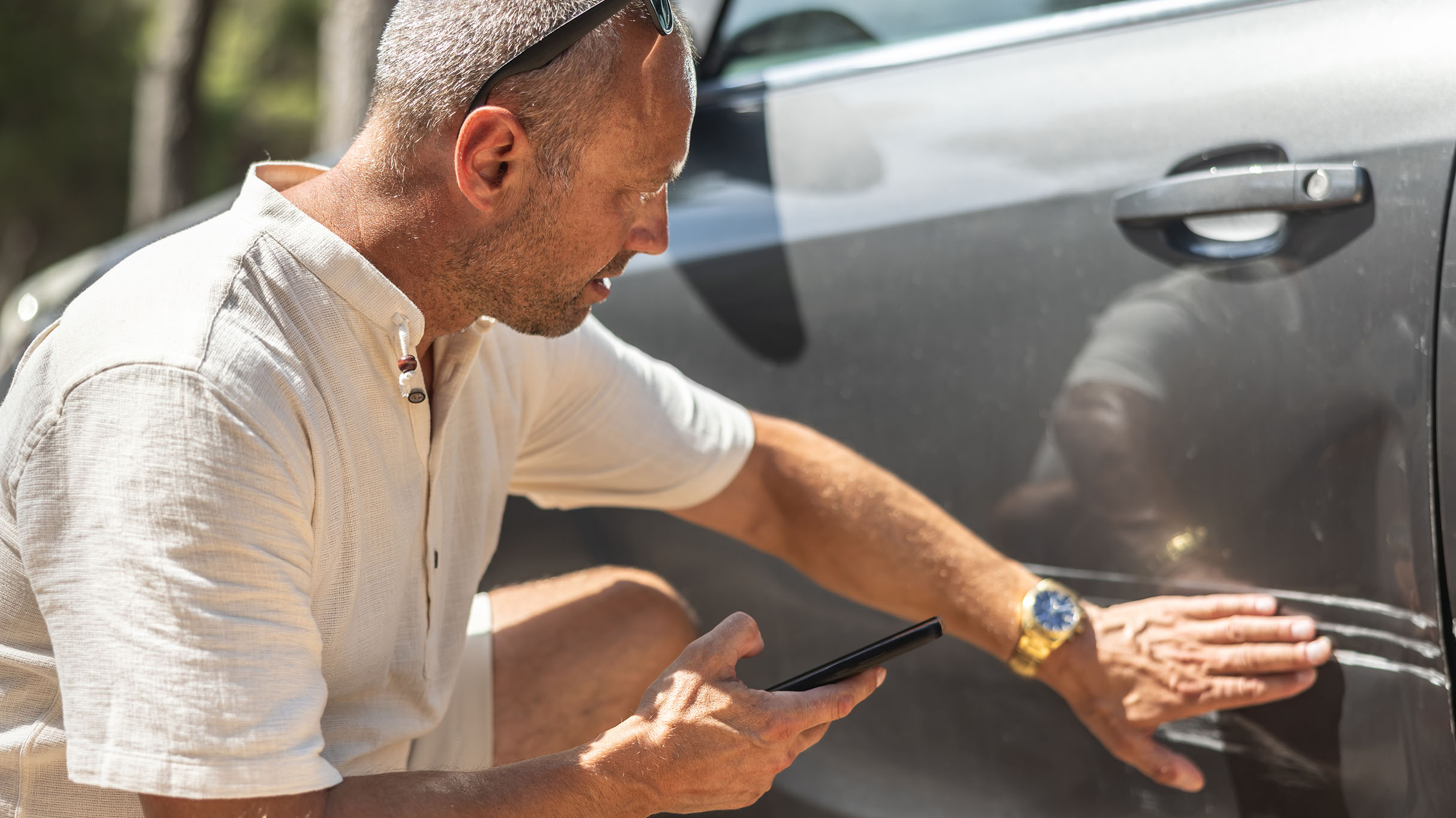
You're paying car insurance premiums every month, but do you know what you're actually covered for? In Canada, auto insurance includes mandatory coverage, like third-party liability (known as civil liability in Quebec) insurance, plus optional coverage, such as collision and comprehensive insurance. Your insurance company pays for different risks. Collision coverage handles collision and upset damage to your vehicle, comprehensive coverage protects against perils (also known as a danger or risk) other than collision and upset, such as theft and weather damage, and accident benefits cover medical expenses regardless of fault. In Quebec, comprehensive coverage is known as All perils other than collision or upset.
Which coverage types do you need? That depends on factors like whether you have a car loan, your driving record, and your budget. The best deal often comes from bundling your auto policy with home, condo, or tenant insurance. Learning how car insurance works will help you build an insurance policy that provides the right financial protection at the right price.
Key takeaways
Provinces require third-party liability insurance with minimum coverage from $200,000 to $500,000 (lower in Quebec), but experts recommend at least $1 million.
Collision and comprehensive coverage are optional, but they protect your vehicle from collision damage, and other perils like theft, weather, and vandalism.
Bundling your auto policy with home, condo, or tenant insurance can reduce your premiums while providing comprehensive protection across all your assets.
Mandatory coverage: third-party liability insurance
Every province and territory in Canada requires third-party liability insurance, which is the foundation of any car insurance policy. This mandatory coverage protects you financially if your vehicle causes damage or injury to others in an automobile accident.
What third-party liability insurance covers in the event of covered loss:
bodily injury to pedestrians, cyclists, and passengers
property damage to other vehicles, buildings, fences, and structures
legal costs if you're sued following a car accident
settlement costs if you're found liable.
Liability coverage doesn't protect against damage to your own vehicle or your injuries. The minimum amount varies by province, generally $200,000 to $500,000 (Quebec civil liability at $50,000), but insurance experts recommend at least $1 million. The increase in car insurance premiums is often minimal, roughly $50-$100 annually, but provides substantial financial protection. In a serious accident injuring multiple people, medical costs and legal fees easily exceed minimum amounts.
Note: In British Columbia, Saskatchewan, and Manitoba, basic auto insurance is provided by government-run insurers. In Quebec, bodily injury is public (SAAQ) while property damage is private.
How does collision coverage protect your vehicle?
While liability insurance protects other drivers, optional collision coverage protects your own vehicle. This coverage pays for repairs or replacement when your vehicle is damaged in an accident, regardless of fault.
Collision coverage handles:
single-vehicle crashes (backing into a pole, hitting a guardrail)
accidents where you're partially or fully at fault
damage from colliding with another vehicle or object.
Your insurance company pays up to your vehicle's actual cash value after your deductible. A deductible is your portion of the cost before coverage begins, typically $500 to $1,000.
When collision coverage makes sense:
your vehicle is financed (lenders require it for any car loan or lease)
your vehicle is newer or holds significant value
you want financial protection for your asset.
Collision coverage provides protection that repairs are covered when your vehicle needs them, helping you maintain reliable transportation without unexpected costs.
What does comprehensive coverage protect against?
Comprehensive insurance works alongside collision coverage but protects against different risks. While collision covers damage from a collision or upset, comprehensive insurance handles non-collision perils that could harm your vehicle.
Comprehensive coverage includes:
- theft of your vehicle or parts (catalytic converters, wheels)
- vandalism and malicious damage
- weather damage from hail, floods, or falling trees
- fires and explosions
- glass breakage, including windshields
- animal impact (deer, moose, other wildlife).
Your insurance company pays for repairs or replacement up to your vehicle's actual cash value, minus your chosen deductible (typically $500 to $1,000). Many drivers select a lower deductible for comprehensive coverage since these events are unpredictable.
Comprehensive insurance is typically required for leased cars and vehicles with a car loan. It protects your vehicle from weather, theft, and other unexpected events, which is particularly valuable if you live in areas with variable weather or wildlife.
Specified perils coverage
Specified perils cover only the risks explicitly named in the policy. Commonly covered perils include fire, theft, and certain natural events. It does not cover vandalism, damage from falling objects, or collision-related incidents.
What's accident benefits coverage?
Accident benefits provide support for you and your passengers after an automobile accident, regardless of fault. In most provinces, these benefits are part of the mandatory insurance coverage included with your auto policy.
Standard accident benefits typically include:
- medical expenses for treatment, rehabilitation, and therapy
- income replacement to cover lost wages during recovery
- attendant care for serious injuries requiring ongoing assistance
- funeral expenses and death benefits for your dependents.
Accident benefits coverage vary by province and insurance policy. Many insurance companies offer additional coverage options, such as increased income replacement or enhanced medical benefits beyond the minimum amount required.
These enhanced benefits provide added support if you're self-employed, lack employer-provided disability coverage, or simply want more comprehensive financial protection for you and your passengers.
Protection against uninsured drivers
Uninsured motorist coverage protects you when the other driver doesn't have auto insurance to cover your costs. This coverage, often included or available as an add-on, ensures you're protected even when other drivers aren't properly insured.
This coverage helps when:
- the at-fault driver has no insurance
- a hit-and-run driver leaves the scene
- you're in an accident in another province where the at-fault driver doesn’t carry the minimum coverage requirements.
Uninsured motorist protection typically covers bodily injury, medical expenses, and sometimes property damage up to your coverage limits and may be subject to deductible. This coverage ensures that you and your passengers have financial protection regardless of whether the other driver carries adequate insurance.
The cost is typically modest compared to the protection it provides, making it a practical addition to most auto insurance policies.
Additional coverage options
Beyond standard collision and comprehensive insurance, several optional coverage types provide added protection for specific situations:
- Loss of use coverage: covers reimbursement for reasonable expenses of rental vehicle costs or other eligible transportation expenses, while your car is being repaired after a covered claim, helping you maintain transportation during the repair process.
- Roadside assistance: provides emergency services including towing, battery boosts, fuel delivery, flat tire changes, and lockout assistance.
- Depreciation waiver: helps protect newer vehicles by paying up to the lesser of the original purchase price, MSRP or replacement cost after a covered total loss, without deducting for depreciation.
Each additional coverage option addresses different needs. Consider which protections align with your driving habits, vehicle age, and budget when building your insurance policy.
What car insurance typically doesn't cover
Understanding exclusions helps you avoid surprises when filing a claim. Standard auto insurance doesn't cover:
- Personal items and belongings: laptops, phones, sports equipment, clothing, and other personal property stolen from or damaged in your vehicle are typically not covered by auto insurance. Instead, these items may be covered under your property insurance, subject to its terms, limits, and deductible. Your auto policy only covers items that are part of the vehicle itself.
- Mechanical failures and wear: regular maintenance, mechanical breakdowns, engine problems, transmission issues, and normal wear and tear aren't covered. Car insurance protects against sudden, unexpected damage, not routine vehicle maintenance or age-related deterioration.
- Commercial vehicle use: using your vehicle for business purposes like deliveries or transporting goods for payment may require commercial auto insurance. Personal auto policies generally exclude coverage during commercial activities. In some provinces, ridesharing can be added to your personal auto policy as an endorsement.
If you're unsure whether your current coverage addresses your specific situation, reviewing your insurance policy details ensures you understand what's protected and where you may need additional coverage.
How car insurance works: Building your policy
Your car insurance policy combines mandatory coverage required in your province with optional coverage you select based on your needs. Understanding the factors that influence your car insurance premiums helps you build coverage that balances financial protection with affordability.
Factors that affect your insurance rates include:
- Driving record and claims history: clean records typically qualify for lower premiums
- Vehicle details: make, model, year, and safety features
- Usage patterns: annual mileage and primary use (commuting, leisure, business)
- Location: where you live and park your vehicle
- Personal factors: age and marital status
- Policy bundling: combining auto insurance with home, condo, or tenant insurance.
Building coverage that fits your situation
If your vehicle is leased, your lender typically requires collision and comprehensive coverage. For vehicles you own outright, you have the flexibility to choose coverage types based on your vehicle's actual cash value and your budget.
Many insurance companies offer discounts for safe driving records, bundled policies, anti-theft devices, and completion of driver training. These savings can make comprehensive auto insurance coverage more affordable while maintaining strong financial protection.
Protecting your assets with the right coverage
Your insurance needs change over time. As your vehicle ages, your driving record improves, or your circumstances shift, reviewing your car insurance coverage ensures you maintain appropriate financial protection. Many drivers find significant savings by bundling their auto policy with home, condo, or tenant insurance, while simplifying their coverage under a single insurance company.
Whether you're insuring your first vehicle or reviewing your current policy, getting a quote online takes just a few minutes. You'll see how different coverage options affect your car insurance premiums and discover which protections provide the best value for your situation.