

Home fires can start in seconds and spread in minutes. Everyday activities like cooking, heating, or charging devices can spark a fire without warning. In Canada, thousands of residential fires happen each year, many of which are preventable. Understanding home fire safety can help you take action to protect your home, your belongings, and the people who matter most.
Did you know?
Take a quick look at the numbers and you can get a sense of the home fire risks for Canadians. Based on StatsCan fire data from Nova Scotia, New Brunswick, Ontario, Manitoba, British Columbia, the Yukon, and Canadian Armed Forces bases from 2015 to 2021:



How can home fires cause property damage?
A fire can affect more than one room and cause damage in multiple ways. Even a small fire can lead to major repairs and disruption, making prevention one of the most effective ways to stay protected.
Flame damage
Structural elements like walls, floors, and roofing can be destroyed.
Smoke damage
Smoke and soot can spread quickly, damaging furniture, electronics, and air quality.
Water damage
Water used to put out a fire can cause additional damage to floors, walls, and belongings.
Home fire safety tips
A home fire can spark in almost every room of your home. With good habits and preparedness, you can help minimize the dangers. Here are a few fire safety tips from the National Fire Protection Association:
Kitchen safety
Cooking is one of the leading causes of home fires. Staying alert is your best defence.
- Stay in the kitchen when using the stove or oven
- Turn off the stove if you need to leave (even for a short time)
- Check food regularly when baking, cooking, or roasting, and use a timer as a reminder
- Keep flammable items like towels, packaging, and curtains away from stovetops
- Avoid using the oven or stove top if you’re sleepy or under the influence
Know the warning signs
- If a small stovetop fire starts, smother the flames with a lid and turn off the burner.
- If a fire starts inside an oven, keep the oven doors closed and turn off the heat.
- If an element gets hotter than the setting for an extended period, stop using it and contact a professional.

Electrical safety
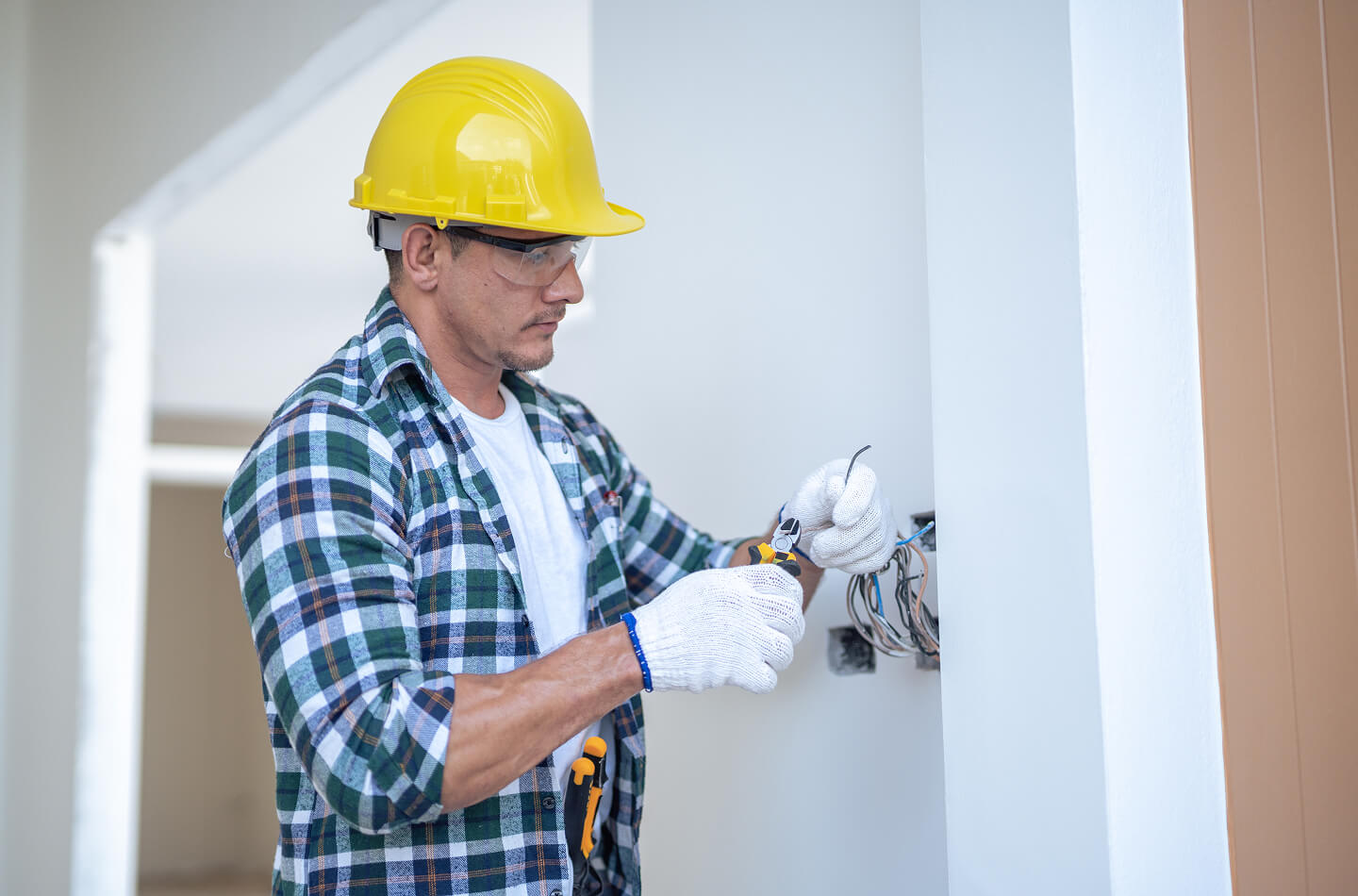
Electricity powers your home, but it needs to be used safely to avoid fire risks.
- Hire a licensed electrician for any electrical work
- Use qualified inspectors when buying or renovating a home
- Plug heat-producing or major appliances directly into a wall receptacle outlet
- Use ground-fault circuit interrupters (GFCIs) to reduce the risk of shock in bathrooms, kitchens, garages, and basements
- Keep cords out of high-traffic areas and avoid running them under carpets
- Regularly inspect and replace any frayed or damaged cords.
Know the warning signs
- If lights flicker or dim unexpectedly, it may be a signal of an electrical issue
- If circuit breakers trip or fuses blow often, have your electrical system checked by a qualified electrician
- If outlets feel warm, look discoloured, or spark, contact a qualified electrician
Heating safety
Staying warm is essential, but heating equipment must be used with care.
- Keep flammables at least three feet or one metre away from heating equipment
- Maintain a three-foot or one metre “kid-free zone” around open fires and space heaters
- Don’t use your oven to heat your home
- Hire a qualified professional to install stationary space heating equipment, water heaters, or central heating equipment
- Use a qualified professional to inspect and clean solid fuel or oil heating equipment and chimneys annually
- Turn off portable heaters when leaving the room or going to bed
- Use only the fuel recommended by the manufacturer for fuel-burning appliances
- Use a sturdy fireplace screen to stop sparks from flying into the room
Know the warning signs
- If vents or openings on heating equipment are blocked, clear them to prevent overheating or fire risks.
- If lint or debris builds up in heating-related systems (like dryer vents), clean them to reduce the risk of fire.
- If there are ashes, dispose of them safely in a metal container away from your home.

Device safety
With more rechargeable devices entering the home, there is a greater risk of lithium-ion battery fires. Lithium-ion batteries power everyday items from phones to e-bikes. If damaged or used improperly, they can overheat and cause fires. Learn how to buy, charge, and recycle these batteries safely.
- Choose UL, ETL, or CSA-approved devices
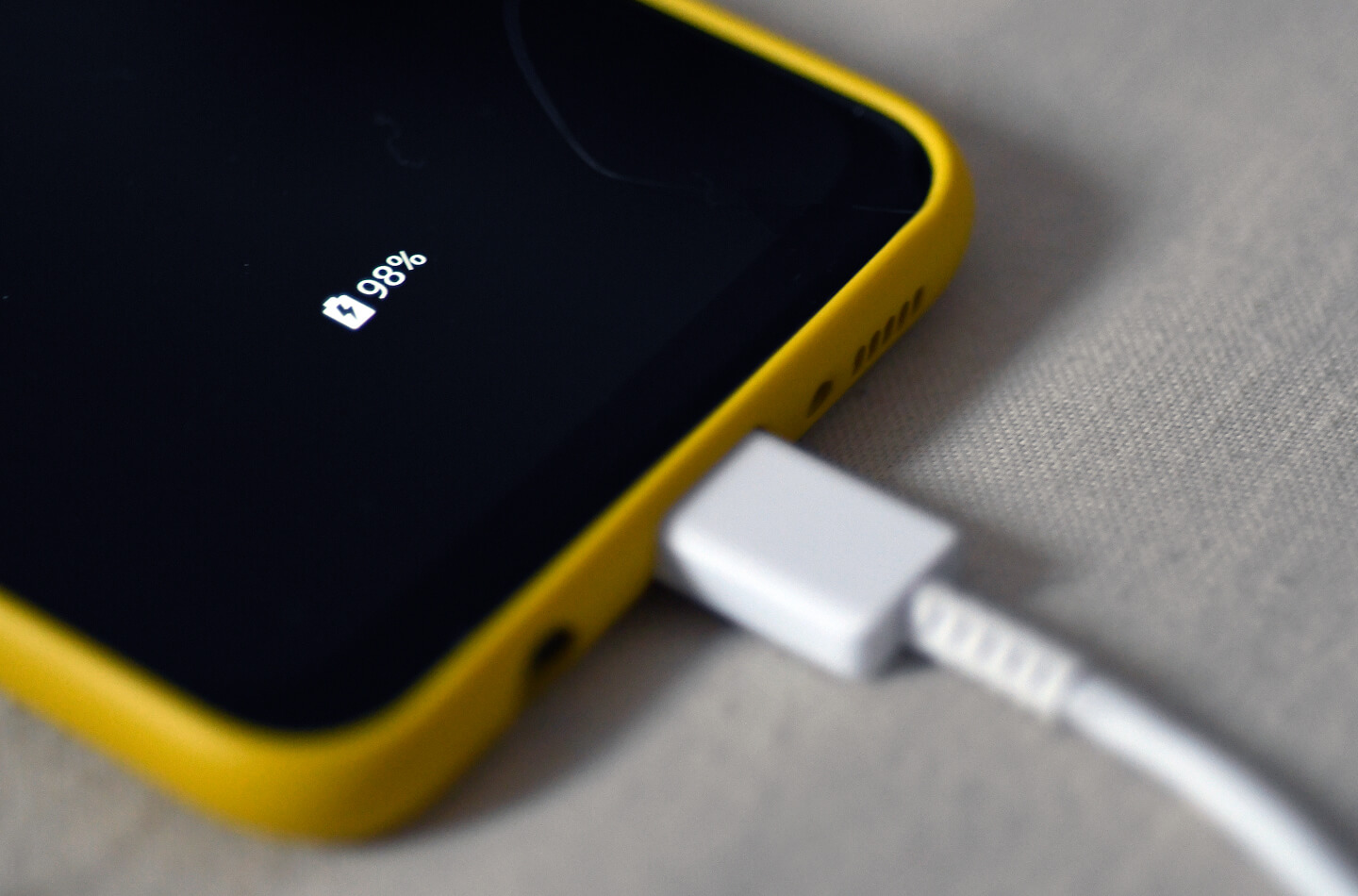
- Charge devices on a hard, flat surface and not on beds or couches
- Unplug your device when fully charged
- Use chargers that came with your device
- Recycle your used rechargeable batteries at a safe battery recycling site
Know the warning signs
- If a battery becomes hot, swollen, or smells unusual, stop using it immediately and move the device away from anything flammable and call emergency services if needed.
- If you’re using a charger that didn’t come with the device, switch to an approved one from the manufacturer that works with your device.
- If a battery is exposed to extreme heat, cold, or direct sunlight, move it to a cool, dry place to help prevent overheating.
General fire safety
Simple habits and the right tools can help reduce the risk of fire and keep you prepared
Everyday habits
- Keep lighters and matches away from children
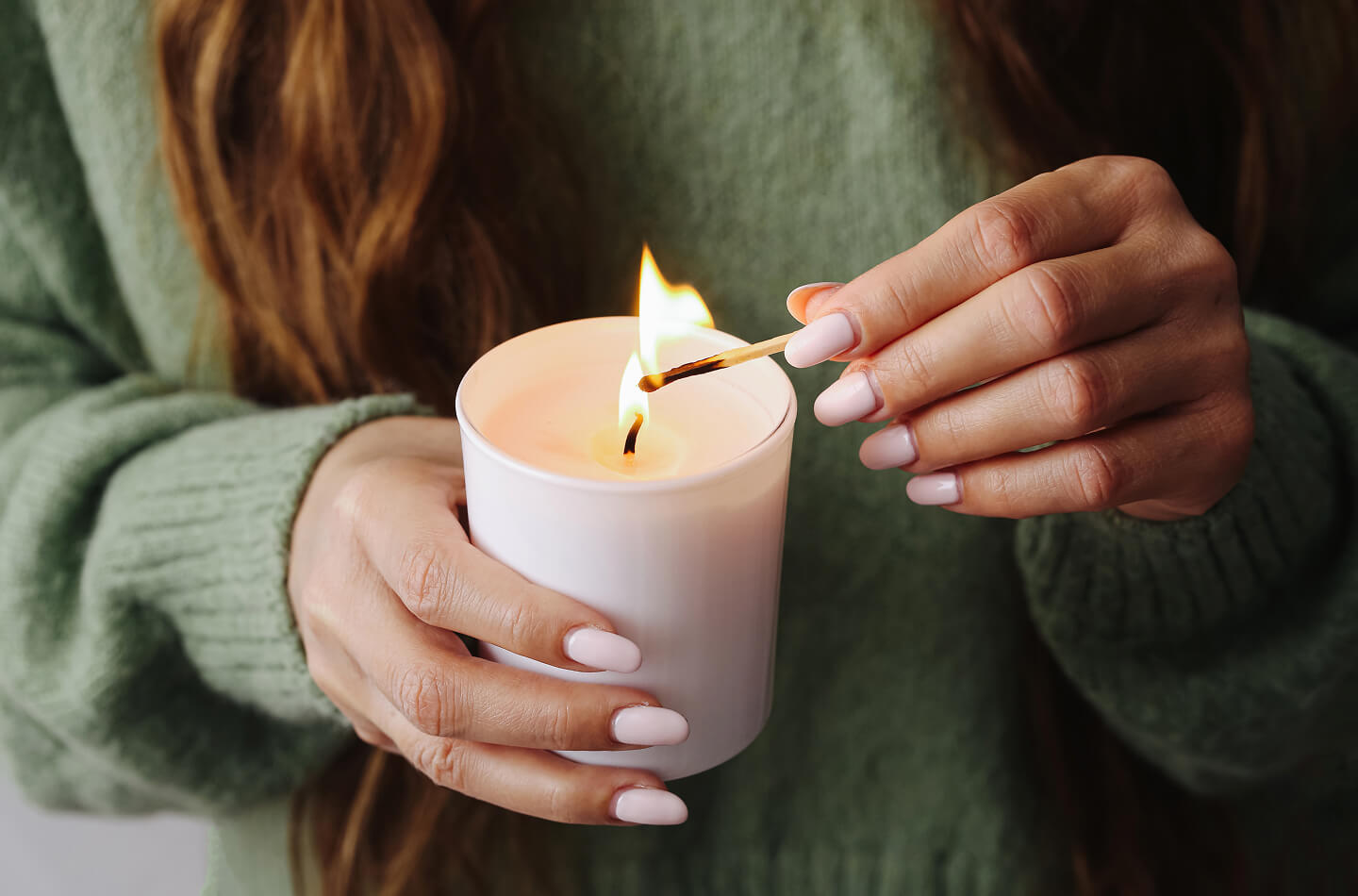
- Use sturdy candle holders and blow out candles before leaving a room or going to bed
- Keep candles away from children and pets
- If you smoke, never smoke in bed and keep an eye out for flying ash
Safety tools
- Install smoke alarms and carbon monoxide (CO) detectors, and test them monthly
- Keep fire extinguishers and fire blankets in safe, easy-to-reach locations
How to use a fire extinguisher (PASS):
- Pull the pin
- Aim at the base of the fire
- Squeeze the trigger
- Sweep side to side
Looking for more tips to prepare for extreme weather?
Whatever the season, be prepared and take precautions early to help ensure the safety of your family and property.
Related articles

A recipe for preventing cooking fires
Prevent kitchen fires with simple habits and safer cooking practices.

Warming up to home-heating safety
Keep your home warm while reducing heating-related fire risks.

Enlighten awareness on Lithium-ion risks
Charge smarter and reduce the risk of lithium-ion battery fires.

Fire safety for your home
Protect your home with practical fire prevention and safety tips.
Sources:
1 Statistics Canada: Three in four fire related deaths in 2021 occurred in a residential fire
The content on this page is for information purposes only and is not intended to be relied upon as specific professional or expert advice. Aviva Canada accepts no responsibility for action taken as a result of reliance on any information contained on this webpage. Aviva and the Aviva logo are trademarks used under license from the licensor.