
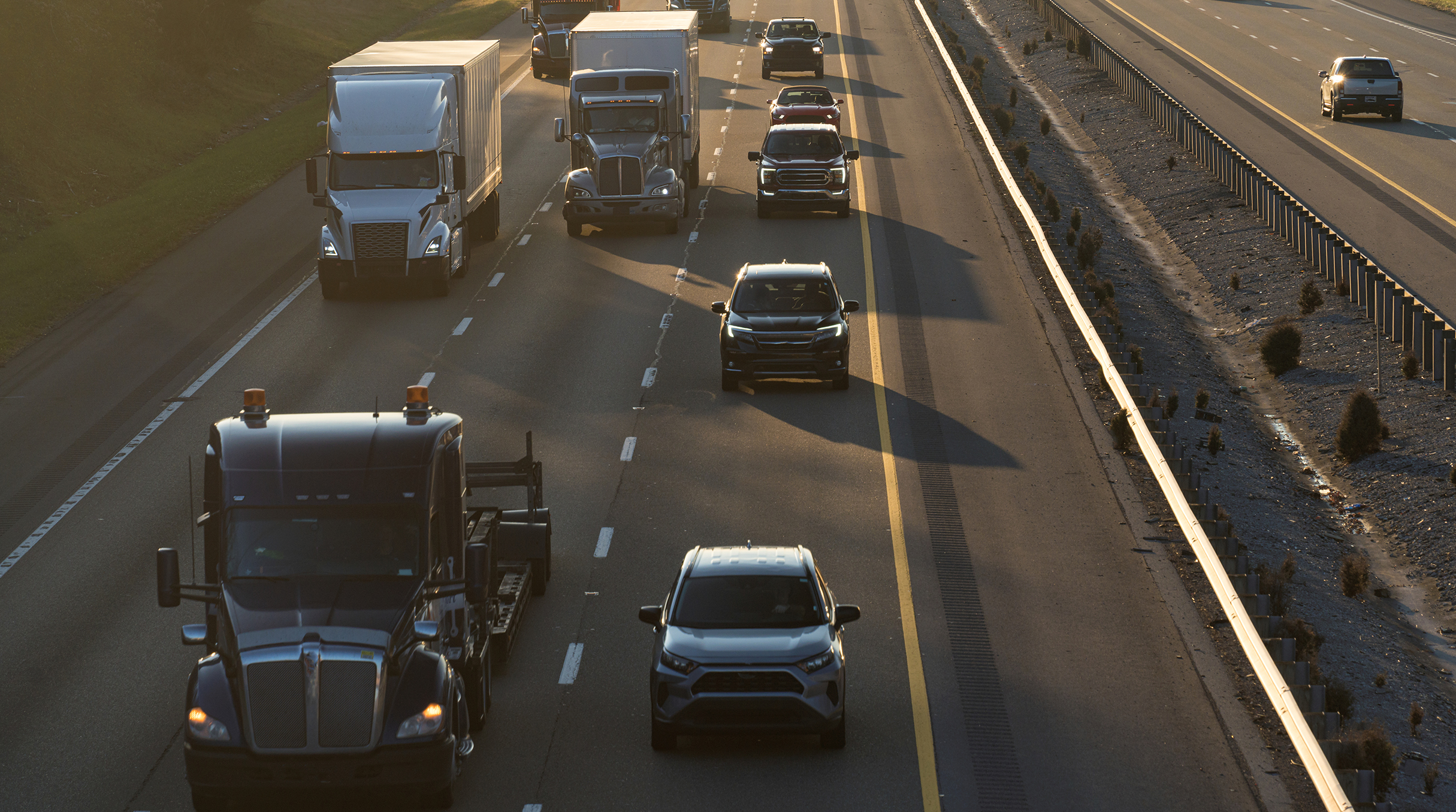
Canada-wide Aviva commercial fleet data suggests that the average amount paid for a bodily injury claim is 70% higher when an insured is driving a light truck vs. a passenger vehicle.
Light trucks are classified as mini- and full-size vans and small and full-size pickups while passenger vehicles are considered to be sedans and other, lighter vehicles.
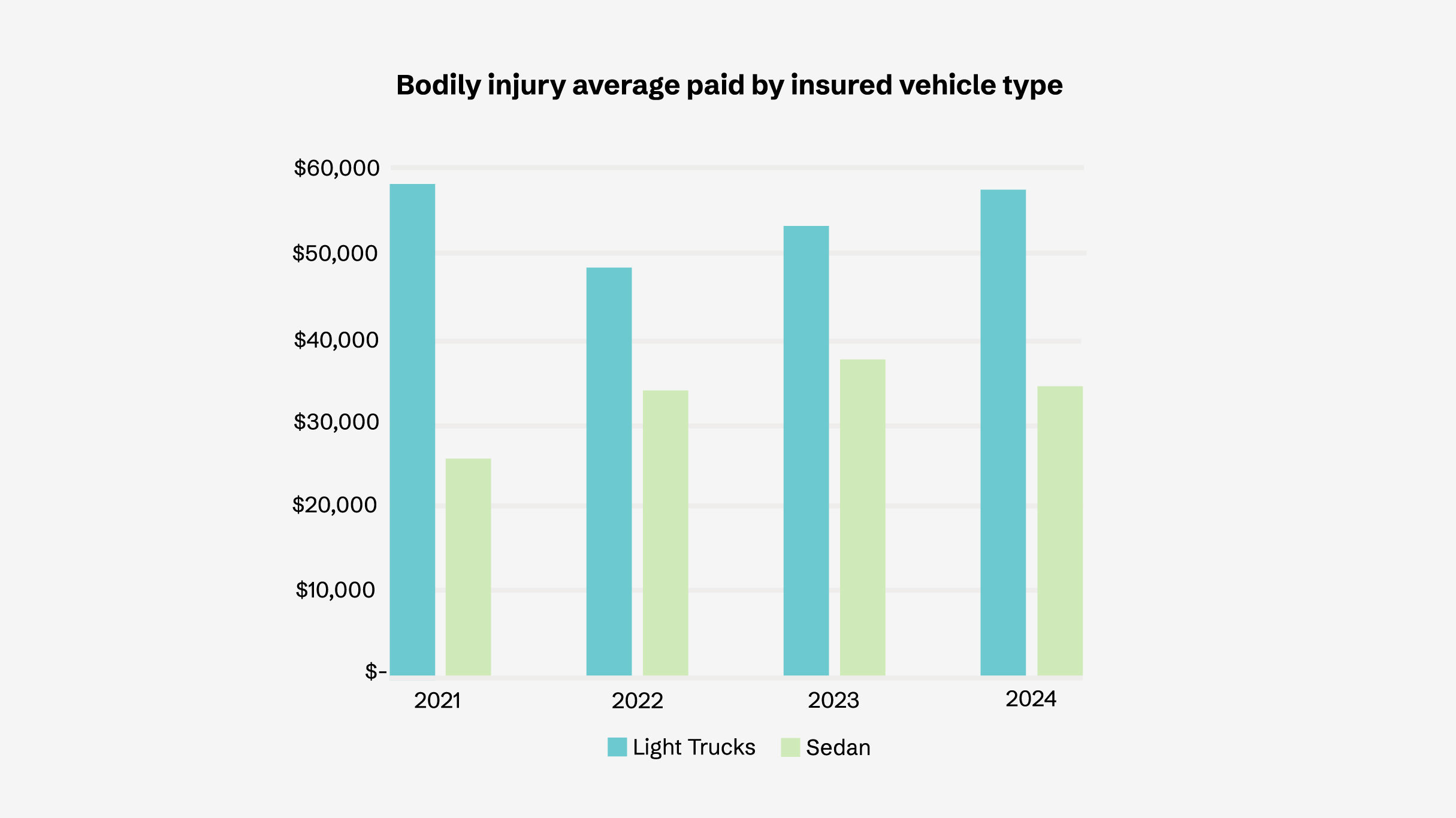
The propensity for greater injuries when light trucks are involved in a collision may be due to the greater weight of the vehicle. Andrew Stacey, Aviva Commercial Fleet Risk Specialist, says this insight is a good reminder to ensure that all fleet drivers are properly trained to drive them safely.
“Light duty fleet operations don’t always fully realize the associated risks with these vehicles. It can be assumed that driving a minivan or a pickup is the same as driving a sedan—and that’s not the case,” he said.
“These vehicles are bigger and heavier and seem to be more likely to inflict more damage resulting in injuries than a lighter vehicle. It’s critical that there’s a fleet policy and adequate training for all drivers.”
Here’s some of Stacey’s best advice on how to ensure your light truck operators are as prepared as possible for the road.
Hire the right people
“Risk begins at the hiring stage. Understanding the driver’s previous driving experience is critical,” said Stacey.
He advises fleet managers take the time to verify that each candidate has a valid licence—with the right class for the vehicle they’ll drive on the job—and obtain a driver abstract during the pre-hire process.
“Ideally, you want to see 3 to 5 years of a clean abstract, no at-fault losses, and no criminal code convictions like careless or impaired driving,” said Stacey.
“It’s best practice to get an updated abstract every quarter or six months after the hire as well.”
Stacey says it’s important to have minimum standards for hiring drivers. He also suggests conducting a road test as part of the interview process, including having candidates demonstrate skills that are part of the job, such as hooking up trailers. “This is less common for light trucks, but it’s a best practice that can tell you a lot about a driver.”
Have a fleet vehicle policy
Stacey’s number one recommendation is to ensure that there is a fleet vehicle policy in place. This should include things like:
- personal use policy—where and when the vehicle can be operated and who is authorized to drive it
- zero tolerance on distracted driving based on what’s listed in your province’s Highway Safety Act, including using a handheld device, eating, grooming, etc.
- defect and road incident reporting
- seatbelt use
- idling policy.
Provide comprehensive driver training
Drivers should be trained on the unique handling characteristics of the vehicles they operate. For example, light trucks, especially when loaded, require significantly longer braking distances. And drivers should be aware of the vehicle’s higher centre of gravity, which makes it more susceptible to rollovers on curves or during sudden maneuvers.
“The most effective best practice revolves around training and remedial training,” said Stacey.
Defensive driving courses can ensure fleet operators have the knowledge they need to avoid collisions and other hazards. Specialized training such as cargo securement can also be a good option for proper loading, weight distribution, and securing techniques if drivers are moving goods frequently.
Aviva Risk Management Solutions Specialist Partner Network members offer corporate training, including:
- Carriers Edge for interactive online training for small and midsize fleets
- Driver training courses for the Samsara Driver App,a telematics solution
- KRTS Transportation Specialists for driver training
- Red Flag Alerts for driver qualification systems and ongoing compliance
Use telematics technology
Want to understand the unique driver behaviours of each employee? Telematics technology tells the story of how they operate on the road. It tracks data like speeding, harsh braking, and rapid acceleration so you know where to focus coaching and training efforts.
Telematics can also help optimize routes to avoid high-risk areas or congested times and monitor vehicle health so you can proactively schedule maintenance—both key to minimizing risks on the road.
Foster a strong safety culture
Fleet managers should demonstrate safe practices and prioritize safety in all communications with their drivers. This includes conducting regular meetings to discuss incidents, near misses, and new safety protocols. Encourage drivers to report hazards, vehicle issues or safety concerns without fear of reprisal.
Consider implementing recognition programs for safe drivers, using telematics data. For example, Giant Tiger has a winning strategy that has led to a near pristine safety record.
Consult ARMS specialists for support
If you want to create or strengthen your fleet management program and ensure you’re in compliance with all regulations and best practices, reach out to ARMS.Canada@Aviva.com. Our experts provide support and guidance to ensure premium operational safety.


