

Water and fluid escape is one of the leading causes of loss on Canadian construction sites.
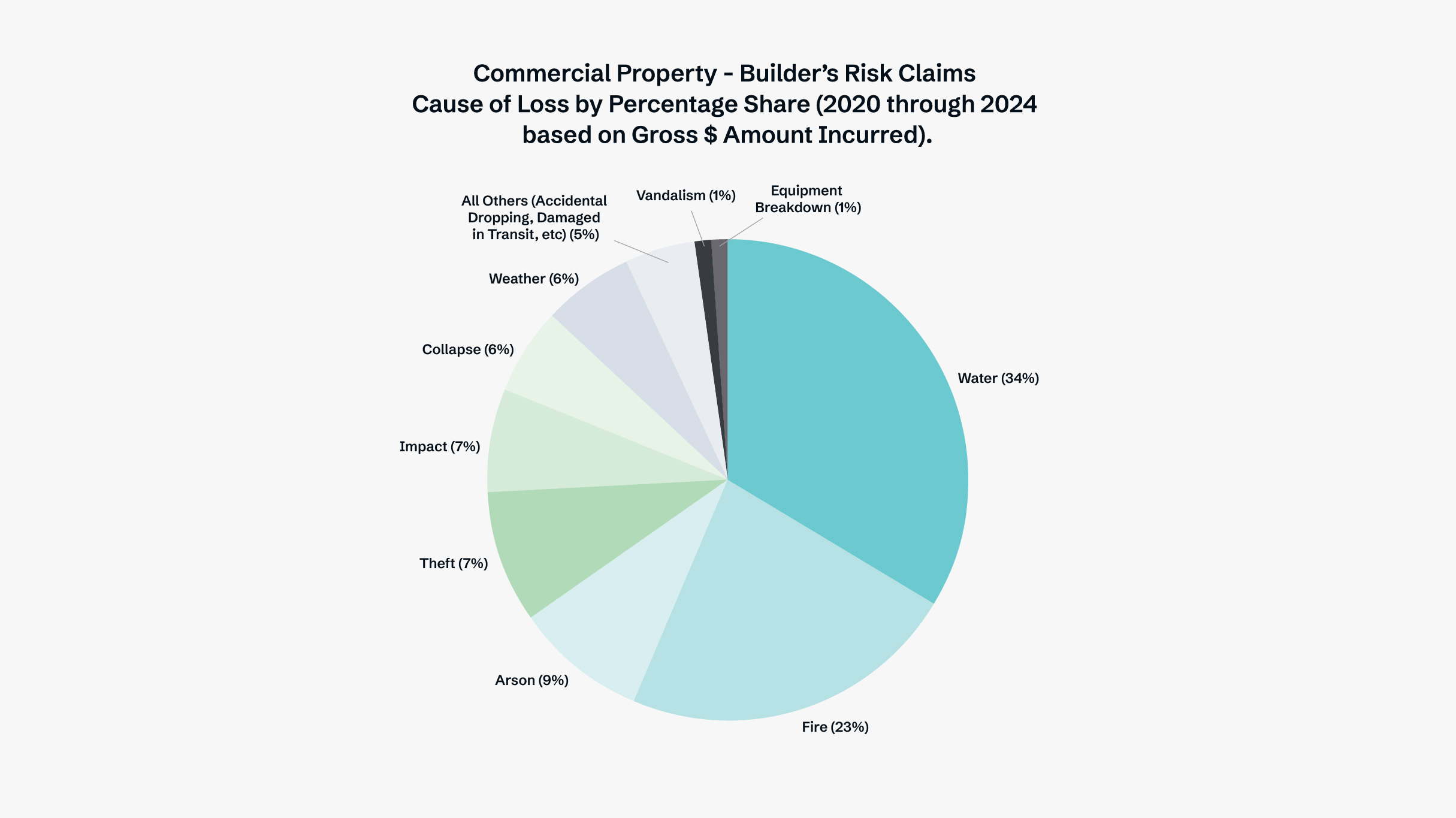
An escape of water or fluid incident when a construction or fit-out project is nearly complete can be devastating. It often results in significant disruption to the contract, including delays and additional costs.
For example, when a catastrophic storm with high winds and significant rainfall swept through a 12-storey mixed occupancy construction project, an Aviva client was hit with exposures they didn’t anticipate, including:
- increased project operating costs and delayed revenue due to a government body shutting down the project to investigate the circumstances
- escalated contract and material costs due to delays and potential renegotiations with trades and suppliers
- extra management fees paid monthly due to the delays
- extra interest on loan agreements due to the delays
- extra interest on capital contributions made by investors due to the delays
- mould damage caused by delays in drying the building due to the investigation and time to make the project site safe.
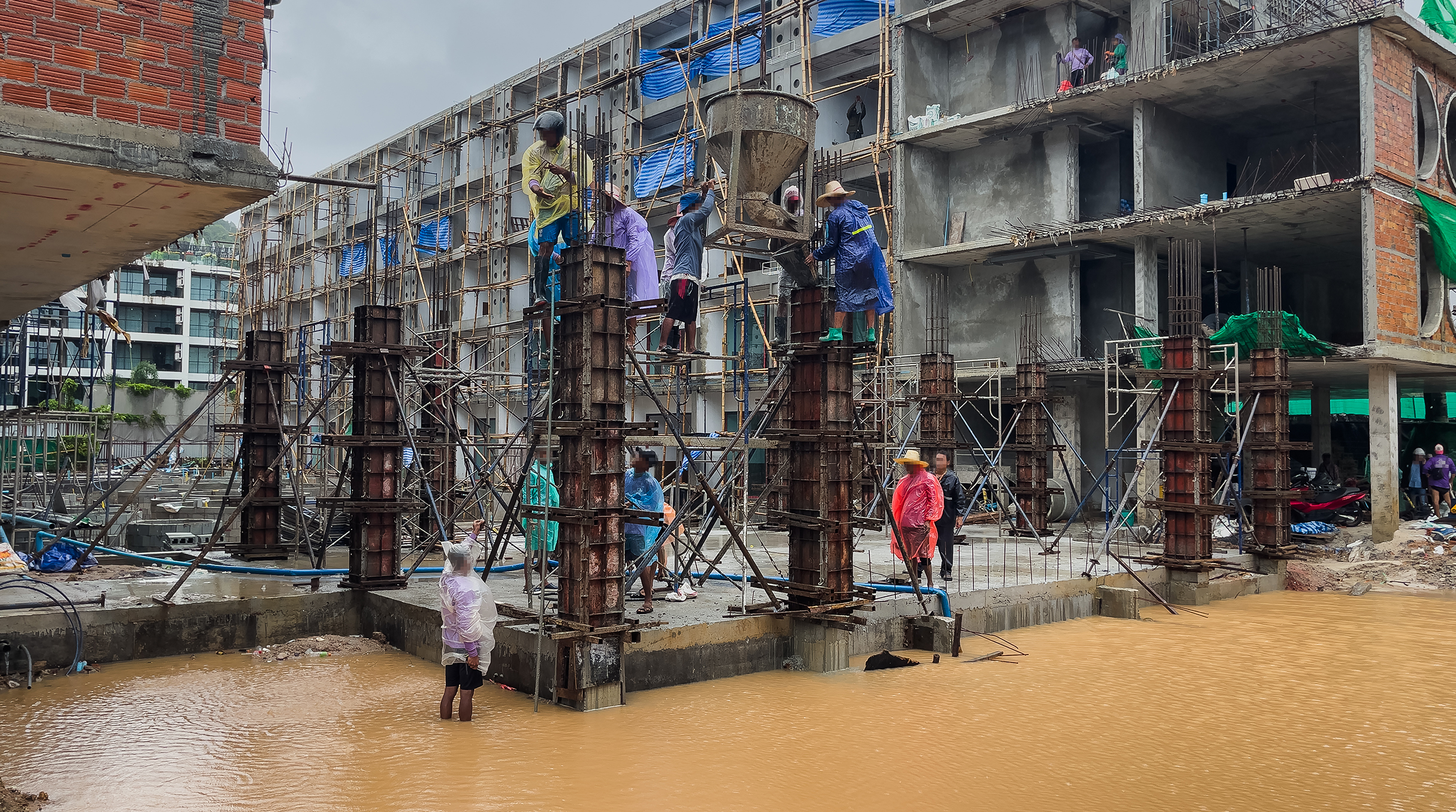
As climate change-induced severe weather introduces increased risks of rainstorms and flooding, it’s imperative to manage all water associated risks on a construction project.
Our Aviva Risk Management Solutions (ARMS) team shares some important water risk management advice to use before every construction project.
Leading factors of water incidents
Most water escape claims on construction sites are rooted in factors such as:
- inadequate risk assessment(s)
- insufficient awareness of potential problems at the design and installation stages
- sub-standard installation through to commissioning
- deficient training
- inadequate security and supervision
- lack of emergency response plans
- insufficient consideration of the impact of a leak.
Effectively preventing water escape involves allocating resources to identify and understand potential problems and implementing procedures and controls to mitigate them.
Start with a water risk assessment
A water (fluid) risk assessment is a systematic process used to identify, evaluate, and control potential hazards and risks associated with the presence, use, and management of water and other fluids on the site.
It involves identifying and enumerating:
- water hazards from natural sources (rainwater, groundwater), construction processes (concrete mixing, dust suppression), utilities (potable water supply, fire suppression systems), dewatering activities (pumping out groundwater)
- other fluids, including fuels, lubricants and oils, hydraulic fluids, chemical (admixtures for concrete, solvents), wastewater, etc.
- potential hazards associated with all fluids, including slips, trips, and falls, electrocution, drowning, damage to structures and equipment, and environmental contamination
- the likelihood, severity, and risk level for each hazard
- control measures to eliminate or minimize the identified risks.
The assessment should also consider project-specific factors such as:
- future maintenance of the system
- intended use of the building
- building height
- building contents including equipment or arrangements that could easily be affected by water
- building services.
Applying typical water (fluid) risk factors to project specifications ensures more accuracy in identifying the potential for water-related incidents, the severity of their consequences, and the effectiveness of risk mitigation strategies.
The water (fluid) assessment is a living document
Although a risk assessment should be done at the initial stage, all construction site hazards evolve during the course of the project, so it will need to be regularly monitored and reviewed, ensuring it remains valid from the design stage to handover of the project.
A good way to keep water risk management on everyone’s radar is to include it in the daily toolbox talks with the project team, along with other project and safety priorities.
Aviva Risk Management Solutions can help your construction project
Our ARMS team can advise you on managing water (fluid) risk. You can also review our specialist partner network to find Aviva-vetted water mitigation companies.


