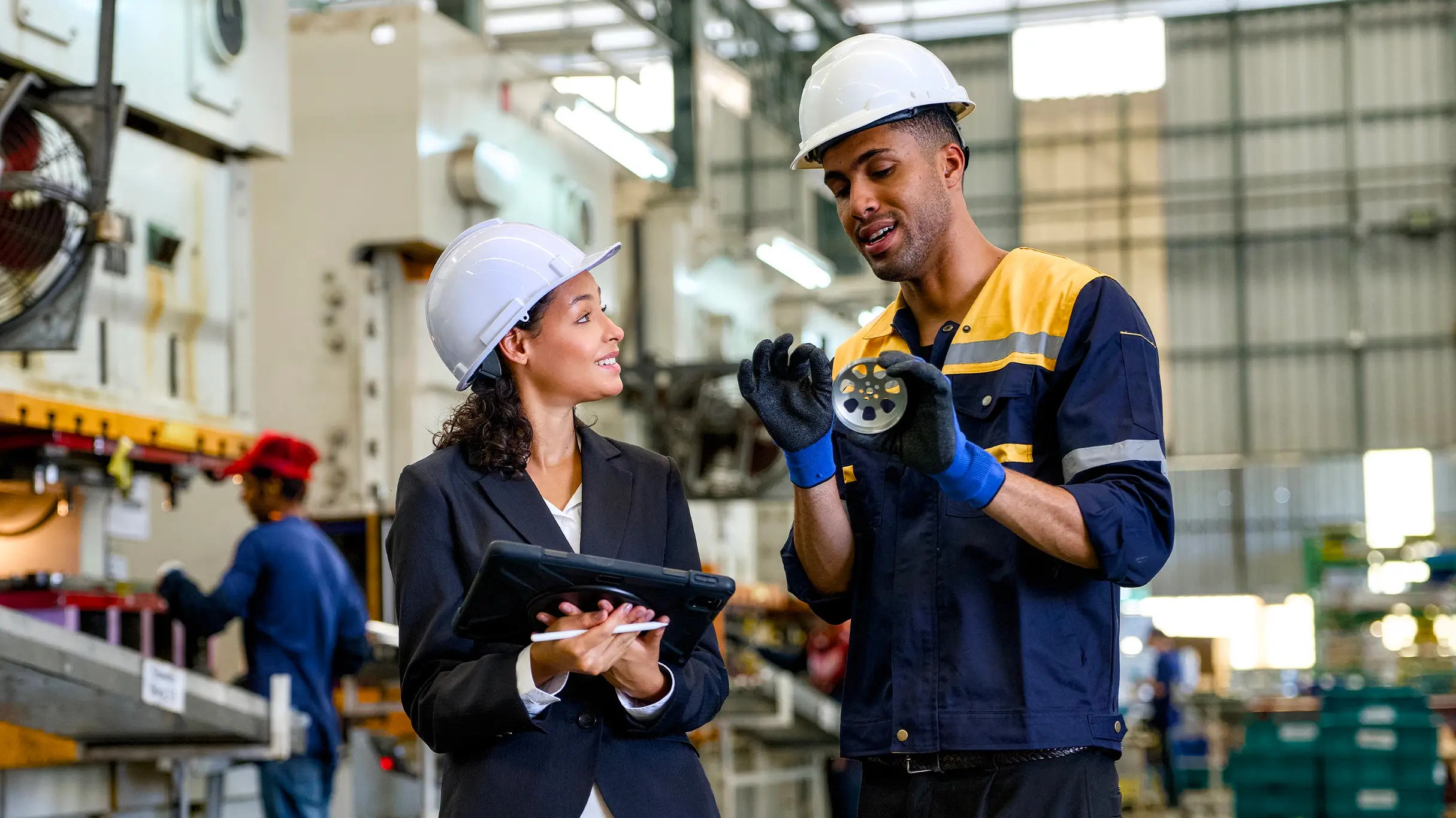

An industrial motor powering a primary production line rarely fails without warning. Days before a bearing seizes, the machine emits faint micro-vibrations and localized heat spikes. To an operator on the factory floor, the equipment sounds normal. But smart sensors connected to predictive software catch those early signals long before friction stops production.
Unplanned machinery breakdowns create immediate operational bottlenecks. Emergency repairs carry high costs, but extended downtime often creates far larger financial losses. When production halts, missed shipment deadlines and spoiled inventory build up quickly. While property and business interruption insurance covers direct financial losses, insurance cannot restore a cancelled contract or recover a client who switched to a competitor.
Enhancing an established preventive maintenance program with artificial intelligence (AI) gives plant managers a direct way to identify equipment deterioration before a breakdown occurs.
Find patterns in historical maintenance data
Many commercial facilities already use computerized maintenance management systems (CMMS) or asset management software. These platforms record work orders, routine checks, and past repairs. However, thousands of historical records often sit unused in digital files.
AI-powered software can analyze these deep records to find recurring problems across your facilities, including work orders, technician notes, and maintenance histories. In municipal operations or multi-building properties, algorithms scan past repair logs to highlight equipment that breaks down repeatedly under specific conditions. Identifying these trends early allows maintenance teams to address underlying equipment issues before a complete failure happens.
Link sensors with predictive software
Predictive maintenance becomes significantly stronger when software connects directly to Internet of Things (IoT) monitoring hardware. Continuous monitoring devices track key equipment metrics in real time, including:
- vibration levels in motors and gearboxes
- temperature shifts in electrical components
- pressure drops and fluid flow changes
- electrical current draw and total runtimes.
When a sensor detects an unusual operating pattern, the system alerts the technical team to investigate. This early notice lets staff schedule corrective repairs during planned maintenance windows, avoiding unscheduled outages during peak production shifts.
Right-size technology for your facility
Investing in predictive software requires a clear look at your facility's operational scale. Advanced tools are not necessary for every business model.
If you operate a smaller facility with straightforward equipment, simple preventive maintenance logs or spreadsheets manage your risk effectively. What matters most is maintaining a consistent, disciplined inspection schedule.
However, if you manage complex facilities—such as cold storage warehouses or food processing plants—a single failure can destroy high-value inventory. In high-exposure environments, adopting a CMMS with predictive analytics helps prevent major operational disruptions.
Keep skilled technicians in control
Predictive software is a diagnostic tool, not a substitute for experienced maintenance personnel, original equipment manufacturer guidelines, or regular physical testing. Algorithms rely entirely on accurate data. A miscalibrated sensor or a flawed predictive model can miss a developing fault.
A complete maintenance strategy combines smart software with established physical testing methods, such as:
- infrared thermography to identify electrical hotspots
- oil testing to detect internal gear wear
- routine electrical and mechanical checks
- hands-on visual inspections by qualified personnel.
Focusing these tools on your most critical assets—such as transformers, switchgear, boilers, chillers, and primary pumps—directs your maintenance resources where equipment failure would hurt your business most.
Partner with ARMS for practical risk guidance
Building a reliable maintenance program starts with understanding your specific equipment exposures. Whether you want to digitize paper logs or review your facility's preventive maintenance procedures, our Aviva Risk Management Solutions team is here to help.
Contact our specialists at arms.canada@aviva.com to learn how we can support your operational safety.